

Make Knowledge Stick: Spaced Repetition Lives Inside Your Notes
Today we dive into integrating spaced repetition with your notes for long-term retention, weaving timely reviews into the very moments you capture insights, link references, and reflect. You will discover evidence-backed strategies and humane workflows that transform highlights into prompts, pages into resurfacing reminders, and projects into lasting understanding. Expect practical setups, gentle routines, and motivating rituals that keep learning sustainable for semesters, product launches, certifications, and the unpredictable rhythms of real life.
Why Spacing Works Better When Notes Do the Heavy Lifting
Spacing boosts memory by inviting the brain to reconstruct meaning after forgetting has slightly begun. When this effortful recall happens inside connected notes, cues are rich, context is available, and friction stays low. Bridging Ebbinghaus’s forgetting curve with your daily pages turns abstract psychology into visible habit, where insights resurface naturally, are refined in place, and remain discoverable through links, tags, and resilient structure across months and years.

Structure Notes to Generate High-Quality Prompts
Great prompts begin with well-structured notes. Write in small, self-contained chunks that capture one claim, process, or insight. Favor clear language, explicit references, and links to related ideas. When your notes speak plainly and connect richly, converting them into prompts becomes straightforward. You will produce fewer, better questions that require meaningful answers, reduce duplication, and anchor memory in durable relationships rather than isolated trivia.
Keep notes atomic so each prompt tests a single insight. Link freely to related concepts to support layered understanding. Then flip the note: ask what the claim predicts, where it fails, and how you would explain it to a teammate. Question-first writing sharpens thinking, reveals missing steps, and naturally produces reusable prompts aligned with real decisions you make daily.
Tags should signal intent. Use labels like review-daily, review-weekly, or fragile-concept rather than vague categories. Pair them with difficulty ratings or confidence notes inside your entries. These simple signals guide scheduling, make resurfacing adaptive, and help you notice patterns: which domains keep slipping, which explanations land, and where integrated examples turn abstract language into concrete, retrievable understanding.

Micro-reviews during natural breaks
Insert tiny review sessions into natural transitions: waiting for a call, heating lunch, or winding down after focused work. Limit each burst to three to five prompts. This creates reliable contact points with knowledge, prevents binge-cram fatigue, and turns idle minutes into compounding gains without demanding heroic willpower or perfect calendar blocks that rarely survive reality.

Daily dashboards that surface just-enough prompts
Create a dashboard note that auto-lists prompts due today, grouped by project or urgency. Keep the list intentionally short by capping daily totals and prioritizing items tied to active work. When reviews align with what matters now, completion rises, procrastination drops, and each answer directly strengthens outcomes you will use within hours, not someday.

Graceful rescheduling after missed days
Life happens. When you miss sessions, avoid punitive backlogs. Use an algorithm or a simple heuristic to redistribute overdue prompts across the next week by importance and difficulty. Skim for duplicates, merge related items, and delete stale questions. Forgiveness paired with gentle structure protects momentum, preserves morale, and keeps the system welcoming rather than intimidating.
Tools That Click: From Markdown to Card Decks
Choose tools that fit your writing style and technical comfort. Markdown notes, backlinks, and search create a rich substrate for prompts. Card systems schedule recall at scale. Integrations should feel transparent: simple frontmatter, lightweight plugins, or export scripts. Favor reliability over cleverness. A modest, stable pipeline that you actually use will always beat an intricate maze you ignore.
Obsidian, Logseq, and Anki working together smoothly
Keep notes in Obsidian or Logseq, then generate prompts using inline cloze syntax or dedicated fields. Export to Anki via plugins or simple files. Maintain stable IDs so edits sync reliably. Test the loop on a tiny project first, refine friction points, and only then scale. Predictability and clarity outweigh any dazzling automation stunt.
Notion and spreadsheets as lightweight schedulers
If you prefer simplicity, a Notion database or spreadsheet can schedule intervals with formulas and filters. Store the prompt, brief answer, difficulty, last review, and next due date. Views for today’s items keep you focused. While less automatic than specialized apps, transparency is high, onboarding takes minutes, and customization remains entirely in your hands.
APIs, plugins, and automations that remain understandable
Automate cautiously. Use well-documented plugins, minimal scripts, and readable configuration. Keep a single page describing how data flows—from notes to prompts to scheduler—and how to repair it if something breaks. Avoid hidden dependencies. When the pipeline is explainable to your future self, you trust it, iterate confidently, and avoid catastrophic drift or silent data loss.
Field Notes: Wins, Stumbles, and Gentle Course Corrections
A medical student finds confidence in anatomy
After months of rereading atlases, a student pivoted to question-driven notes with spaced reviews. She wrote concise prompts about nerve pathways, typical injuries, and landmark variations, plus tiny clinical scenarios. Weeks later, recall under exam stress felt calmer, and during rounds, she recognized patterns faster, linking textbook lines to living patients with steady, grounded assurance.
A product manager retains hard-won decisions
A manager captured post-mortems as atomic notes, then distilled each lesson into prompts about trade-offs, risks, and stakeholder cues. During planning, resurfacing questions nudged better scoping and clearer acceptance criteria. Fewer repeated mistakes, faster alignment meetings, and a growing library of reusable heuristics turned tribal memory into durable, accessible guidance powering smoother deliveries.
What failed: over-templating and under-thinking
One team stuffed notes with rigid fields, auto-generated hundreds of shallow prompts, and burned out. When they pruned duplicates, kept only meaningful questions, and added brief explanations in their own voice, motivation returned. Quality beat quantity. Reviews shrank, understanding grew, and conversations finally centered on decisions, not wrestling with a bloated, joyless system.



Track, Reflect, and Grow a Durable Habit
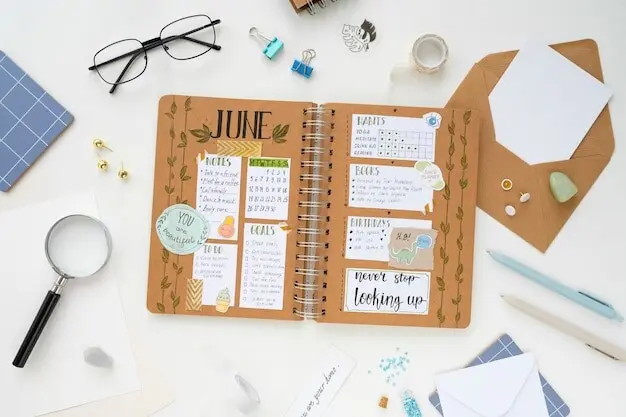
Retention follows behavior. Track small, leading indicators: minutes reviewed, prompts created from real work, and days with at least one micro-session. Pair them with occasional, honest checks of recall and application in authentic contexts. Celebrate streaks lightly, forgive lapses quickly, and share progress openly. Reflection closes loops, strengthens identity, and invites helpful accountability from peers who care.