

Capture Today, Create Tomorrow
Foundations of Reliable Capture

Three-Minute Brain Sweep
Calendar and Context Preview
On-the-Go Capture Without Chaos
Voice-to-Text for Fleeting Thoughts
When an idea sparks mid-stride, speak it immediately. Modern dictation is surprisingly accurate, and your future self will prefer messy text over vanished brilliance. Begin with a verb or strong noun to clarify intent. Include one cue for context, like client name or location. Later, during review, you can refine wording. Speed matters here; every second decreases recall fidelity and raises the chance your insight evaporates completely.
Pocket Notebook Failsafe
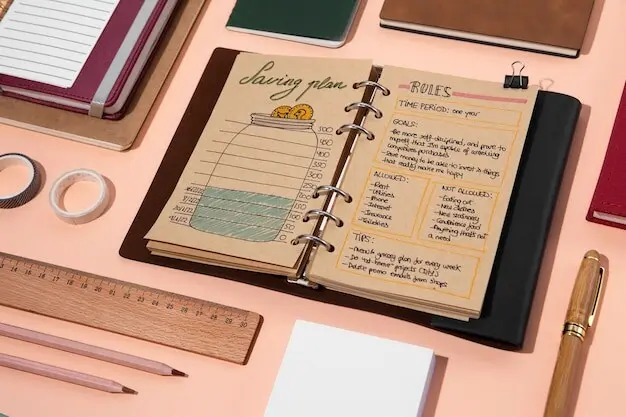
Batteries die and apps crash, but paper survives. Carry a slim notebook and frictionless pen everywhere. Dedicate the first page to a quick index and date each entry for easy later sorting. Keep notes brief, one idea per line, to simplify scanning. Even if you adore digital tools, this analog lifeboat prevents lost thoughts. Many creatives credit a humble pocket notebook for saving their most surprising breakthroughs.
Lightweight Tagging While Walking
Heavy organization kills momentum during capture. Use a tiny set of tags you can add without thinking: people, project, place, or energy. Speaking or scribbling a single tag boosts retrieval without slowing you down. During review, expand or refine. The goal is navigability, not perfection. Think breadcrumbs, not blueprints. When you keep tags intentionally scarce, your brain learns them fast and the habit actually sticks.
Two Buckets: Action or Archive

Link Notes to Projects

Reflect, Celebrate, Adjust




Designing for Streaks and Sustainability

Run Tiny Experiments
Choose one variable per week to tweak: default input, review time, or tag set. Write a hypothesis, test for five days, and evaluate with compassion. If it helps, keep it; if not, revert without guilt. Progress favors playfulness. Experiments keep the habit flexible and resilient, adapting to seasons, projects, and energy levels while protecting the core promise: ideas reliably land where you can find and use them.
Measure What Actually Matters
Track signals that correlate with real progress, like tasks completed from captured notes, reduced meeting rework, or faster project ramp-ups. Vanity counts, such as note volume, can mislead. Keep your metrics lightweight and actionable. A weekly glance should guide decisions, not create administrative drag. When your measures illuminate momentum, you feel encouraged, engaged, and ready to refine again without drowning in spreadsheets or performative dashboards.
Invite Conversation and Collaboration
Ask teammates how your capture supports shared work, and what would help them more. Offer a simple capture template before meetings and a clear handoff after. Encourage replies with favorite prompts or tools, and subscribe together to a weekly nudge. Collaboration punctures blind spots and spreads good habits. When systems harmonize across people, captured ideas travel farther, faster, and with far less friction along the way.